Two Cars, Four Detailing Jobs, 60 Days Later: Why the Dealership's $600 'Protection Package' Was the Worst Money We Spent

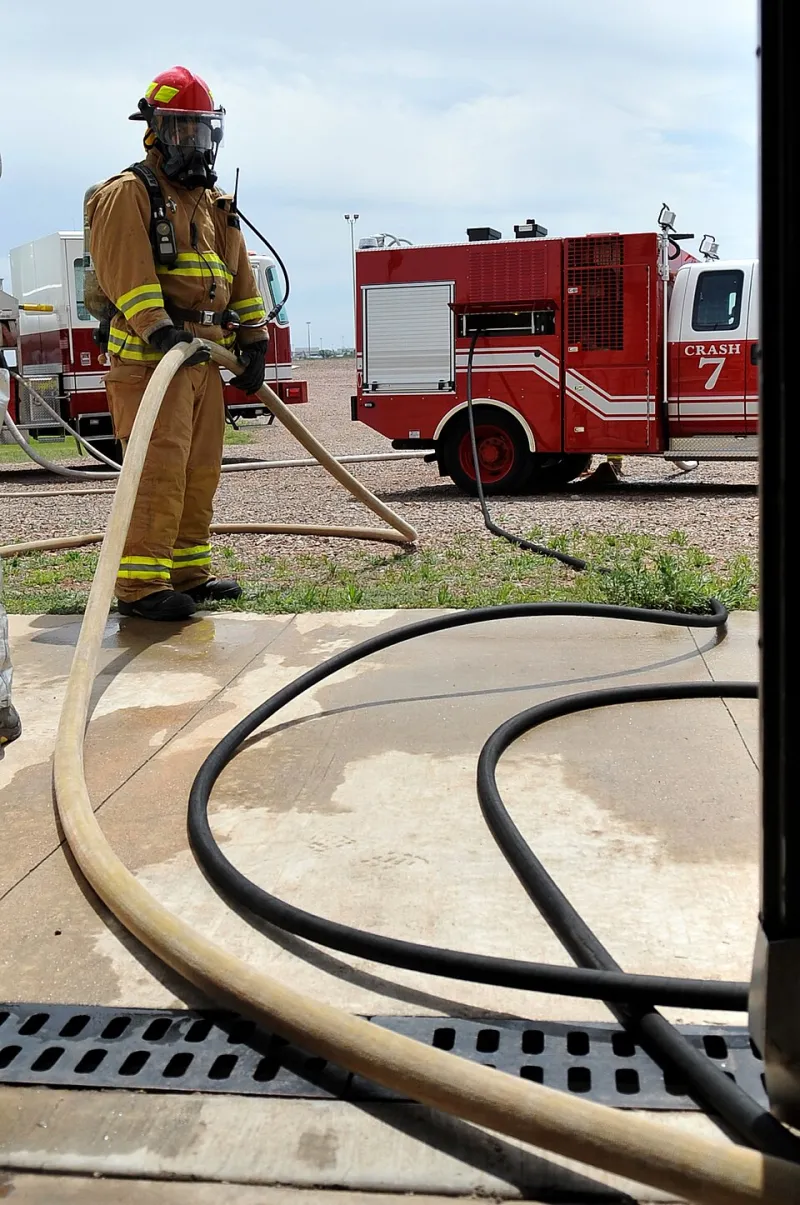
Photo: Dietmar Rabich, CC BY-SA 4.0, via Wikimedia Commons
If you've bought a car in the last decade, you've heard the pitch. You're two signatures into financing paperwork when the sales manager slides a laminated sheet across the desk: paint protection, fabric guard, rustproofing — a "protection package" that'll run you anywhere from $400 to $1,500, conveniently rolled into your monthly payment.
We wanted to know if any of it is worth it. So we bought two identical used cars, hired three professional detailers plus one dealership protection program, and spent 60 days testing the results. Spoiler: the $600 dealership add-on finished dead last.
The Setup: Four Treatments, Two Very Different Price Tags
We sourced a pair of 2019 Honda Accords from the same fleet sale — similar mileage, similar wear. Each car got a different treatment:
- The dealership package ($599): A ceramic "paint sealant" and fabric protector applied at the franchise dealership, sold as a five-year warranty product
- Detailer A ($275): An independent shop that applied a consumer-grade ceramic coating
- Detailer B ($180): A full hand wash, clay bar, sealant, and interior shampoo
- Detailer C ($420): A professional-grade ceramic coating with a two-year shop warranty
That's a spread of $180 to $599 for what, on paper, are competing products. Here's how they held up.
The Application: One of These Was Not Like the Others
The independent detailers spent two to five hours per car. They decontaminated the paint, clay-barred the panels, and worked in shade. The process was transparent — we watched, asked questions, and got straight answers about what each product could and couldn't do.
The dealership appointment took 45 minutes. We weren't allowed in the service bay, and when we asked what product was being applied, the answer was a brand name we couldn't find any independent reviews for online. That's not automatically a red flag — but combined with what happened next, it didn't help.
The 60-Day Durability Test
We subjected all four cars to the same abuse: highway driving, automatic car washes, a bird-dropping incident (staged, we're sorry), coffee spilled on the driver's seat, and two weeks of Midwest pollen.
Detailer C's ceramic coating was the clear winner. Water still beaded and sheeted off at day 60, and the coffee wiped off the fabric with a damp cloth. Detailer A performed nearly as well, with minor beading loss on the hood.
Detailer B's sealant faded around week five — expected at that price point, and honestly still good value for a deep-clean and short-term protection.
The dealership package? Water beading was noticeably weak by day 30. By day 60, the paint behaved like untreated paint, and the coffee stain on the fabric required the same scrubbing it would have on a protected seat. When we called the dealership's "protection warranty" line, we learned the coverage required annual paid inspections to stay valid — a detail never mentioned during the sale.
The Cost Math Nobody at the Dealership Does For You
Here's the thing about protection packages: they're typically financed into your loan. That $599 add-on at a typical 7% APR over 60 months costs roughly $705 all-in. You're paying interest on wax.
For the same money, you could get Detailer C's professional ceramic coating — the best performer in our test — and still have $180 left for touch-ups.
Three Upsell Scripts to Recognize Before You Sign
Every protection package pitch we've encountered follows one of a few templates. Learn these and you'll be harder to sell:
- The fear close: "These seats are cloth — one spill and the resale value is gone." Reality: a $15 bottle of fabric cleaner from any big-box store handles most spills.
- The bundle blur: The package is quoted as a monthly payment increase ("just $11 more a month") rather than a total price. Always ask for the out-the-door number.
- The warranty mirage: "It's covered for five years!" — but the fine print requires paid annual inspections, excludes "neglect," and rarely covers the damage you'd actually file a claim for.
The Bottom Line
We came into this test open-minded. Maybe dealership packages were overpriced but effective. They weren't. The application was rushed, the product underperformed every independent treatment, and the warranty came with strings attached.
If you want your next used car protected, skip the finance office. Find a reputable independent detailer — check Google and Yelp reviews, ask what product they use, and get the process in writing. You'll spend less and get more, and you'll drive off the lot with your monthly payment intact.
Ellis Review purchased both test vehicles outright. No detailer or dealership knew they were part of a comparison until after the test concluded.