Three Months, Twelve Robot Vacuums, Five Survivors: Our Honest Rankings
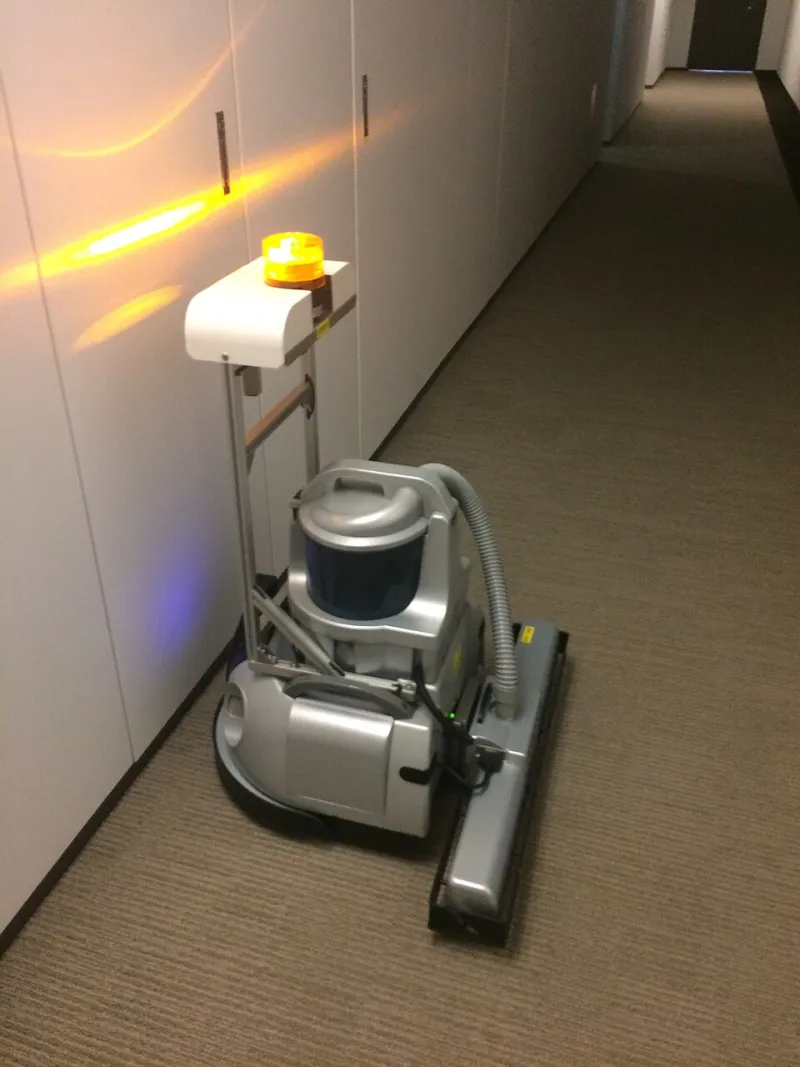
Photo: Ryan McBride, CC BY 2.0, via Wikimedia Commons
Anyone can unbox a robot vacuum, run it for a weekend, and write a glowing review. We wanted to know what happens when the honeymoon ends. So we kept 12 popular robot vacuums running in five real households across the US for a full 90 days — a Kansas home with two shedding labs, a Chicago apartment with all hardwood, a Texas family of four with carpet everywhere, and a couple of mixed-flooring test homes in between.
What we found surprised us. A few budget models punched way above their price. A couple of big-name, heavily advertised machines simply quit being worth their shelf tags somewhere around week six.
How We Judged Them
Each vacuum was scored on four things:
- Cleaning performance — measured with flour, oats, and (yes) fake pet hair on hardwood, low-pile carpet, and medium-pile carpet
- App reliability — because a vacuum that needs a firmware reset every Tuesday isn't 'smart'
- Battery longevity — not the spec sheet number, but what it could actually clean per charge after 90 days
- Long-term durability — brush jams, sensor failures, error codes, the works
The Five That Earned Their Keep
1. Roborock Q5 Pro — Best Overall Value
It doesn't have a mopping pad or a fancy AI camera, and that's exactly why it won. Simple, relentless, and nearly flawless on hardwood. After three months, the app had crashed exactly once. At a mid-$200s street price, it beat vacuums costing twice as much.
2. iRobot Roomba j7+ — Best for Pet Households
The obstacle avoidance is the real deal — it dodged charging cables, sock piles, and one very bold cat's food bowl without a single rescue mission. The self-emptying bin is genuinely life-changing if you own a golden retriever. Our only gripe: the subscription for advanced features feels nickel-and-dime-y.
3. Eufy Clean X10 Pro Omni — Best Mopping Combo
Most robot mops are basically wet rags dragging dirt around. The X10's spinning pads with downward pressure actually lifted dried coffee spills. Dock maintenance is a bit fussy, but after 90 days the pads and water system showed no degradation.
4. Shark Matrix Plus — Best Budget Pick
Under $300 with a self-empty base, and it handled carpet pet hair better than models twice its price. The app is basic, the mapping is slow, but the cleaning is honest work. If your budget is tight, this is the one.
5. Dreame L20 Ultra — Best for Big Homes
The lifting mop pads let it vacuum carpet and mop hard floors in one pass, and the 5,000Pa suction never flagged. It's expensive, and the dock is the size of a small ottoman, but for a 3,000-square-foot house, nothing else kept pace.
The Ones That Let Us Down
We won't bury the lede: two of the most heavily marketed models on TV were among our biggest disappointments. One flagship model from a legacy brand threw persistent 'brush stuck' errors by week five despite clean brushes, and its battery life dropped roughly 30% by day 60. Another — a viral TikTok favorite — had a gorgeous app and terrible suction, leaving visible oat trails on medium-pile carpet in every single test run.
A third, a budget model from a brand we'd previously liked, simply stopped connecting to Wi-Fi in month two. Customer service offered a refund process that, three weeks later, still hadn't completed.
What 90 Days Taught Us
Spec sheets don't predict staying power. The vacuums that lasted shared three traits: simpler software, accessible brush rolls, and replaceable parts you can actually buy in the US without importing them. Flashy features — cameras, AI voice hype, 15,000Pa numbers — had almost no correlation with long-term satisfaction.
If you're shopping this year, our advice is blunt: ignore the marketing, buy for your floor type, and be suspicious of any robot vacuum whose biggest selling point is its app. The five models above did their jobs quietly for three months straight. That's the review that matters.