The Upload Speed Nobody Sold Us: 90 Days, Eight Gigabit Plans, and a Router Fee That Outlived the Discount
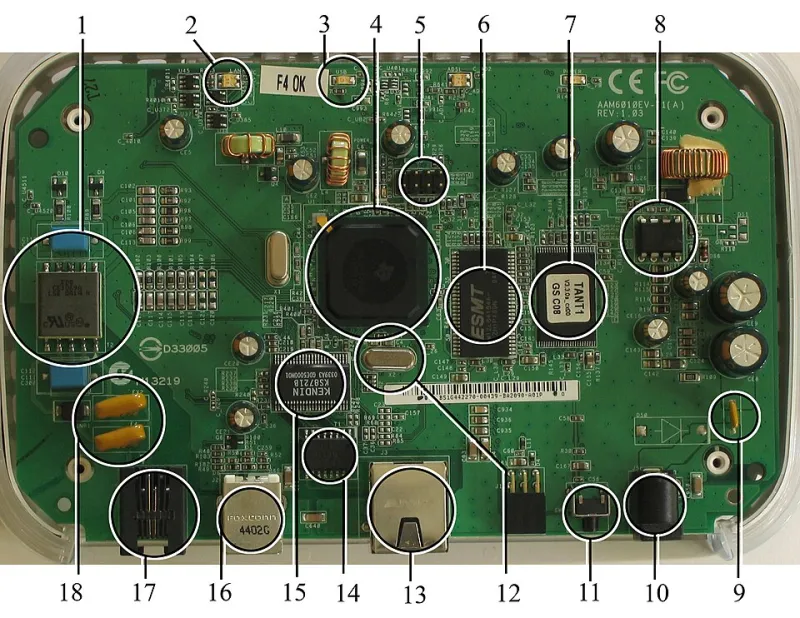
Photo: User Mike1024 on en.wikipedia, Public domain, via Wikimedia Commons
Gigabit internet is sold like a single number. In practice, it is a bundle of promises: a download speed, an upload speed, a promotional price, a rental fee, and a contract that gets longer every time you call to complain. We wanted to know which parts held up.
So we signed up for eight major internet providers across five US cities — a mix of cable, fiber, and fixed wireless — and ran daily speed tests for 90 days. We tracked the bill, not just the speed test. We noted every fee, every autopay discount, and every router charge. Then we canceled. Repeatedly.
The download number mostly showed up. The upload number did not.
Out of eight plans advertised at or near 1,000 Mbps down, six hit at least 85% of the advertised download speed during peak evening hours. That is not nothing. But upload speeds were a different story. Only two plans delivered the upload speed printed on the checkout page. The rest averaged between 38% and 62% of the advertised number, with the worst gap on a cable plan that promised 50 Mbps up and routinely delivered 19.
Why does upload matter? Because the modern home is not just downloading. It is backing up photos, sitting on video calls, uploading school assignments, and running a security camera that sends clips to the cloud. A plan that feels fast when you stream can feel broken when you try to send.
The promotional price lasted 11 months, on average
We expected the promo to end. We did not expect it to end so quietly. Across the eight plans, the introductory price lasted an average of 11 months before an increase. The smallest jump was $10 a month. The largest was $35. In most cases, the increase arrived on a bill with no separate email, no text, and no line item that said 'promotion ended.' It was simply a new total.
One provider did send a notice — 14 days before the increase, buried in a PDF attachment. Another advertised a 'price lock' that turned out to cover only the base rate, not the equipment fee. That fee went up $4 in month nine.
The router rental is the fee that keeps charging
Six of the eight plans included a router rental between $10 and $18 a month. Over a year, that is $120 to $216 for hardware you do not own. In two cases, the rental was mandatory if you wanted the advertised speed tier. In the other four, we could have used our own router, but the checkout flow made it easy to miss.
We bought a $90 router and tested it on one plan. It worked fine. The provider's support line warned us that using our own equipment 'may affect troubleshooting.' It did not affect the speed. It did affect the rental fee, which disappeared.
Fees we did not see at checkout
The advertised price is rarely the bill. We logged:
- A $9.99 'network access fee' on three cable plans.
- A $5 to $12 'regulatory recovery' charge that varied by city.
- A one-time $20 'activation' fee on two plans that promised free installation.
- A $3.50 'paper bill' fee that disappeared when we switched to autopay — which then enrolled us in a price increase we had to call to reverse.
None of these are illegal. They are just not the number in the ad.
What the stopwatch showed in five cities
Fiber plans were more consistent than cable. Fixed wireless was the wild card: great on a clear day, less great on a rainy Tuesday. But the biggest variable was not technology. It was the fine print. The plans that performed closest to their advertised upload speed were also the plans that disclosed equipment fees most clearly. That is probably not a coincidence.
What to ask before you sign
Ask for the upload speed in writing. Ask whether the router is required, and whether the rental fee is included in the promo price. Ask what the bill will be in month 13. Ask if the price lock covers fees. And ask if there is an early termination fee — two of our plans had one, even though the sales page said 'no contract.'
Gigabit internet can be a good deal. But the number on the billboard is not the number on the bill. The upload speed is the one nobody advertises because it is the one that exposes the difference between the marketing and the pipe.