The Repair Tech Told Me Everything: 5 Appliance Brands Mechanics Quietly Avoid
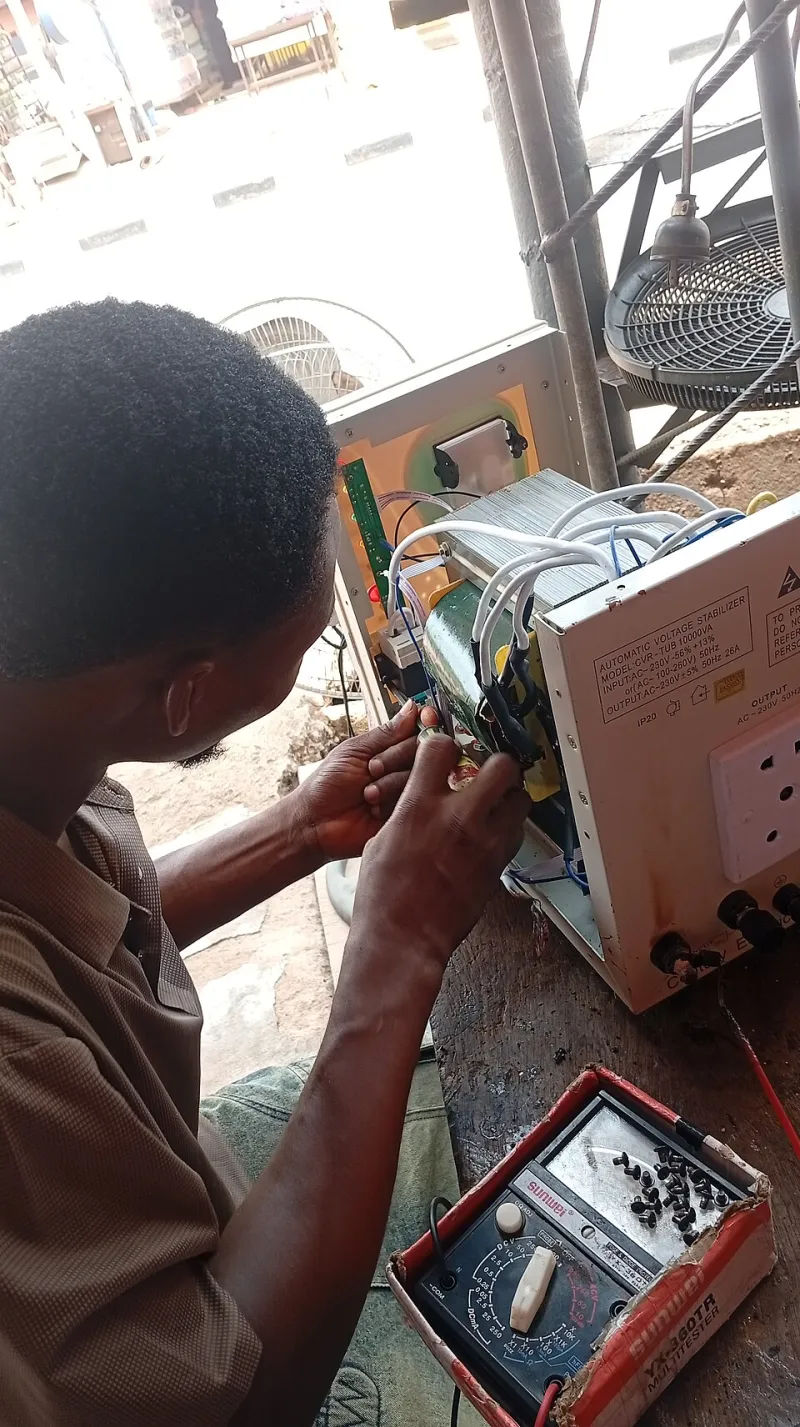
Photo: Bigcee007, CC BY-SA 4.0, via Wikimedia Commons
Showrooms sell you a story. Repair shops sell you a reality.
That was the thinking behind a project we've wanted to run for a long time: sit down with independent appliance repair technicians — the people who see the failures, not the floor models — and ask them blunt questions about the brands they fix, the brands they own, and the brands they'd refuse to install in their own kitchens.
We spoke with five shop owners and lead techs from different regions: a suburban shop outside Dallas, a two-man operation in rural Ohio, a coastal outfit in the Carolinas, a city-based crew in the Denver metro, and a family business in the Pacific Northwest that's been at it for three generations. All spoke on the condition that we anonymize their names and, in some cases, their exact locations — a few still do warranty work for the manufacturers they're about to criticize.
What the Service Logs Actually Show
Ask a tech which brands break down, and you'll get an opinion. Ask what's on their work orders, and you'll get data.
Across the five shops, three patterns came up again and again:
1. The French-door fridge problem. Nearly every tech we spoke with said the same thing: modern French-door and counter-depth refrigerators with built-in ice makers and electronic controls generate a disproportionate share of their calls. One Ohio tech estimated that a single popular Korean brand's French-door line accounted for roughly a third of his fridge service calls last year — mostly compressor and control board failures at the four-to-six-year mark.
2. Electronics fail before mechanics do. The motors and compressors inside most washers and dishwashers are, honestly, fine. What dies is the brain — control boards, door locks, moisture sensors. One shop owner put it this way: "We used to fix broken machines. Now we fix broken computers that happen to wash clothes."
3. The brands techs personally buy are rarely the ones on display. When we asked what's in their own homes, the answers clustered around older-school, mechanically simpler designs — top-load washers with agitators, basic coil-top fridges, dishwashers with physical dials. Simplicity, it turns out, is a feature.
The Anonymized Rankings
We can't print brand names attached to specific techs — several asked us not to — but here's how the aggregate sentiment shook out, based on repair frequency and the classic "would you buy it yourself" question:
Consistently flagged as repair magnets: Two of the biggest premium European names came up repeatedly for dishwashers and wall ovens — beautiful machines with expensive proprietary parts and eye-watering labor bills. One tech called one of them "a subscription with a door on it."
Mixed bag: The major American brands landed in the middle. Their builders (basic top-load washers, gas ranges) are workhorses; their feature-loaded models are service-call factories. The lesson here isn't "avoid the brand" — it's "avoid the trim level."
Quietly respected: A couple of mid-tier brands surprised us by getting genuine praise, particularly for ranges and basic dishwashers. They don't advertise much, they don't chase trends, and techs told us they stock fewer of their parts because they rarely need them.
The Extended Warranty Rant
Every single tech we interviewed brought up extended warranties without prompting. None of them recommended buying one.
Here's their collective reasoning: most major appliance failures in the first year are covered by the manufacturer anyway. The years extended warranties cover — years three through five — are when cheap plans start adding exclusions, requiring in-network techs, or dragging out approval processes. One shop owner told us his shop regularly gets calls from customers whose warranty company took three weeks to authorize a $150 part.
His advice instead: "Take the $200 you'd spend on the warranty, put it in a jar labeled 'appliance fund,' and self-insure. Most people never touch it."
There's one exception the techs mentioned: if you buy a genuinely complex, electronics-heavy machine and the store's plan is through the manufacturer itself (not a third party), the math can work out. Barely.
What to Ask Before You Buy
Want to shop like a repair tech? Here's the checklist our interviewees essentially gave us:
- Ask about part availability, not just warranty length. A five-year warranty is worthless if the control board is backordered for four months.
- Prefer mechanical over digital where it matters. A dial that turns is cheaper to fix than a touchscreen that flickers.
- Check whether the brand sells parts to independent shops. Some manufacturers restrict parts, which quietly kills repairability.
- Skip the ice maker if you can live without it. It was the single most-cited failure point in refrigerators.
- Read the model number's pattern, not the brand's reputation. Within any brand, the stripped-down version usually outlasts the flagship.
The Bottom Line
The most useful thing we learned isn't a brand blacklist — it's a mindset. The techs who keep appliances alive for a living treat complexity as the enemy. Every sensor, board, and proprietary connector is a future service call with their name on it.
Buy the simplest machine that does the job. Skip the warranty jar money. And if you ever get a repair tech chatting at your house, ask what's in their kitchen. They'll tell you more than any sales floor ever will.