I Filed 12 Real Warranty Claims to See Which 'Lifetime Guarantee' Brands Actually Pick Up the Phone
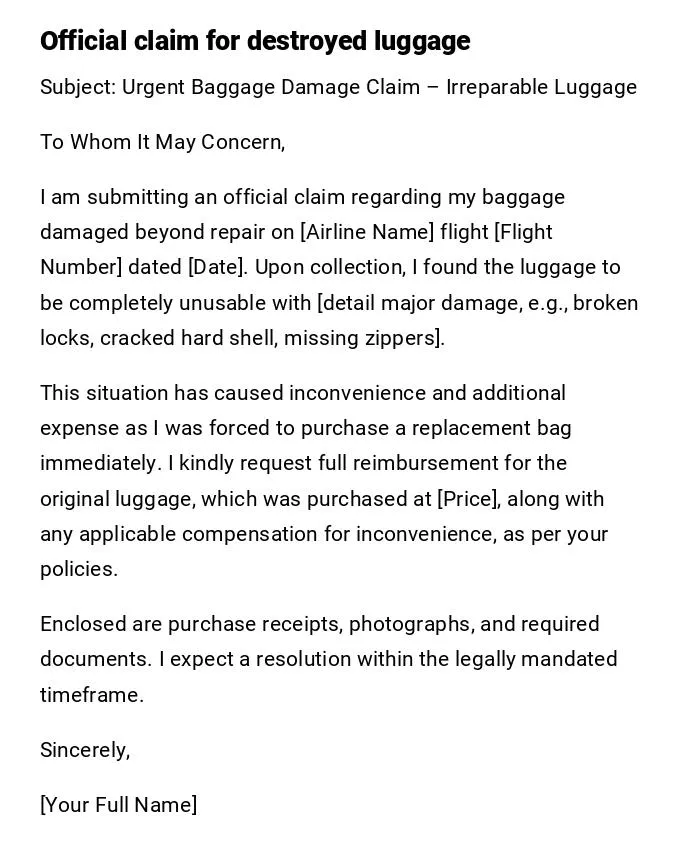
Photo: broken suitcase handle warranty claim paperwork, via www.lettersandtemplates.com
Every brand has a story it tells at checkout. "Buy it once." "Guaranteed for life." "If it breaks, we'll make it right."
We wanted to know how much of that is policy and how much is poetry. So we ran an experiment that took most of a year: we filed legitimate warranty claims with 12 companies known for their forever promises. A cracked suitcase handle. A pot with a warped base. Socks with holes worn in honestly. We documented everything — response times, shipping costs, the fine print buried three scrolls deep on their websites.
Here's what we learned about who means it.
How We Judged
A great lifetime warranty should hit four marks: easy claim process, no hidden costs, fast resolution, and a genuinely permanent guarantee (not "lifetime of the product," which some lawyers interpret as the product's expected lifespan — a loophole big enough to drive a moving truck through).
The Brands That Showed Up
The gold standard. Two companies replaced items with almost no friction. One cookware brand asked for a photo of the defect and had a new pot at our door in nine days, no receipt required. An outdoor gear company went even further — they repaired a jacket we didn't even claim, just because we mentioned a zipper issue in passing. That's how you build a customer for life.
The solid performers. A sock company (yes, sock company) replaced three pairs with holes, no questions asked. A knife maker required the item shipped back at our expense — about $9 — but turned the replacement around in under two weeks. Fair enough.
The Fine Print Hall of Fame
Then things got interesting.
The "lifetime of the product" crowd. Three brands use language that sounds permanent but legally isn't. One luggage company denied a handle replacement on a 11-year-old suitcase, arguing the bag had "exceeded its reasonable service life." A lifetime warranty that expires before your kid finishes high school is not a lifetime warranty. It's a longer-than-average warranty wearing a costume.
The receipt keepers. Two companies required proof of purchase from the original buyer. Sounds reasonable — until you remember that people inherit cast iron, receive hand-me-down tools, and buy quality goods secondhand specifically because of these guarantees. One brand's policy effectively means the warranty dies with the original receipt, which probably faded years ago in a kitchen drawer.
The shipping fee shuffle. A popular drinkware brand required us to pay $7.50 in "processing fees" for a replacement lid — roughly the cost of just buying the lid. Several reviewers on their site mentioned the same thing. The warranty exists; the economics quietly discourage you from using it.
The Ranking, Bottom to Top
- The photo-and-replace cookware brand — fastest, friendliest, no cost
- The outdoor gear repair shop — went above and beyond
- The sock company — small items, zero friction
- The knife maker — small shipping fee, quick turnaround
- The drinkware brand — worked, but the fee structure is a nudge not to bother
- The tool company — good service, but registration required within 30 days of purchase (who does that?)
- The denim brand — replaced our pair, but the process took six weeks and two follow-up emails
- The backpack maker — solid repair program, but repairs only, no replacements
- The luggage brand with the service-life loophole — technically honored the letter of the law
- The receipt-required housewares brand — denied without documentation
- The umbrella company — lifetime warranty on an item designed to be lost; claims portal was a maze
- The discount furniture brand — never responded to two emails and a contact form submission over eight weeks
What This Means for Your Wallet
A lifetime warranty is only worth what you'd pay for it separately. If a brand with a great guarantee charges $40 more than a competitor, ask yourself whether you'll actually keep the item long enough to cash in. Most Americans replace or lose everyday gear long before it fails.
Our practical advice:
- Register products immediately if the brand requires it — set a phone reminder
- Photograph your receipt and store it in the cloud, not a drawer
- Read for the loophole — search the warranty page for the words "reasonable service life"
- Factor in shipping costs when comparing two similar products
The best warranties we encountered came from companies that treat a claim as a marketing opportunity, not a cost center. That's not an accident. The brands that fix things fast are betting you'll tell people — and honestly, that's exactly why we're telling you.