Six Thermostats, Four Climates, 90 Days: The $60 Model Gave Our $250 Flagship a Run for Its Money
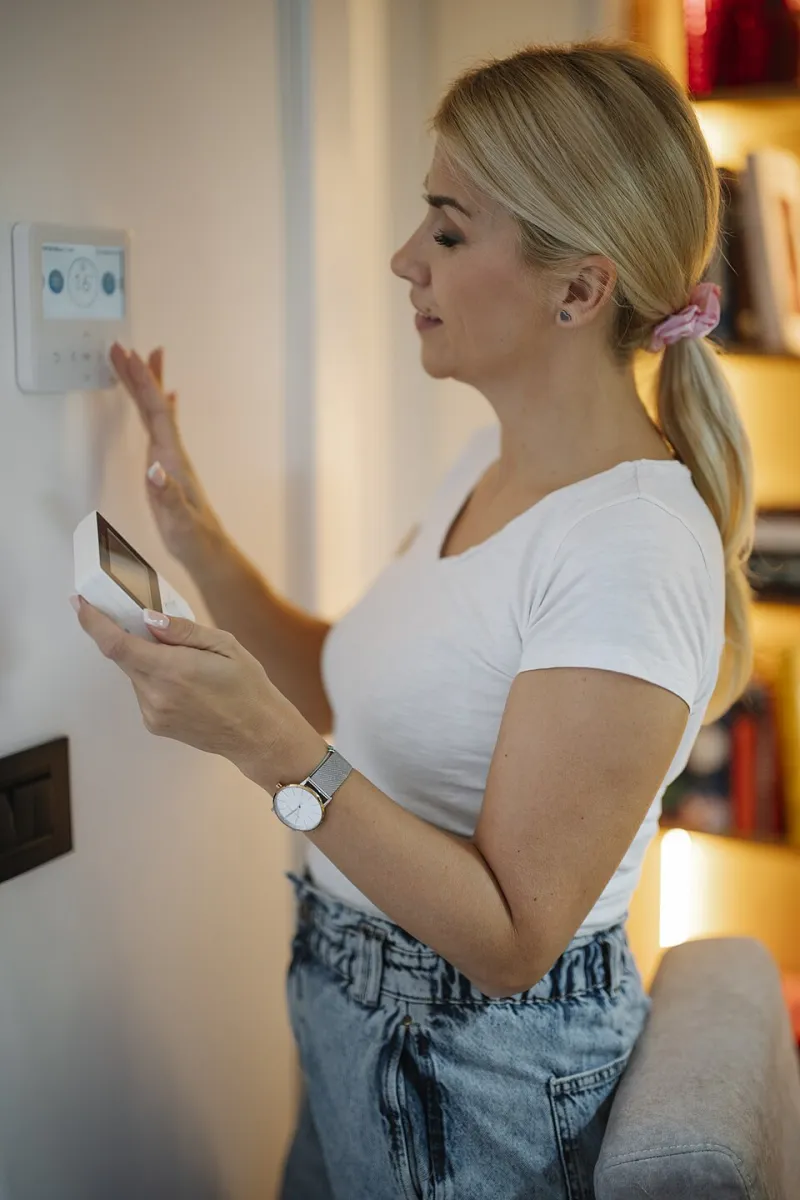
Photo: Shixart1985, CC BY 2.0, via Wikimedia Commons
Smart thermostats promise the same thing every time: lower bills, zero effort. So we decided to find out if that's marketing or math. For 90 days, we installed six of the most popular models in six homes across four climate zones — a 1962 ranch in Phoenix, a drafty Minneapolis farmhouse, a humid Houston two-story, a Seattle townhouse, a Chicago bungalow, and a split-level in suburban Atlanta — then tracked energy use, comfort complaints, and every setup hiccup along the way.
Here's what three months and a lot of spreadsheets taught us.
The Contenders
We tested a spread of prices and philosophies: a $250 learning flagship with the fancy touchscreen, a $180 mid-tier model from a big HVAC brand, a $130 smart-home ecosystem pick, a $90 basic Wi-Fi unit, a $60 budget thermostat with surprisingly good ratings, and one $220 model that leans hard into room sensors.
Each home kept its existing habits. Nobody changed their schedule to please the thermostat. If a device claimed to "learn," it had to learn real life — kids, pets, work-from-home Tuesdays and all.
Setup: Where the First Rankings Shifted
Installation ranged from a painless 20 minutes to a two-hour ordeal involving a missing C-wire and one very unhelpful compatibility checker. The budget pick was honestly the easiest — simple terminals, clear app walkthrough, done before the coffee got cold. The flagship required an accessory wire adapter in two of the six homes, adding $25 and an afternoon of frustration.
One tip that saved us repeatedly: photograph your existing wiring before disconnecting anything. Every single installation where we skipped that step ended in a support chat.
The Learning Curve — Literally
The two models that advertised habit-learning actually delivered, but at different speeds. The flagship needed about 10 days to stop heating an empty Phoenix house; the mid-tier HVAC-brand unit took closer to three weeks but eventually nailed the Houston family's chaotic schedule.
The budget model doesn't "learn" anything — it relies on a fixed schedule you program yourself. And you know what? For three of the six households, that was fine. One retiree in Seattle told us, "My schedule doesn't change. Why would I pay extra for a thermostat to figure that out?"
Fair point.
The Subscription Problem Nobody Mentions in the Ads
This was the biggest surprise of the test. Two of the six thermostats gate genuinely useful features behind monthly fees — detailed energy reports, advanced remote sensors, and in one case, smart recovery that pre-heats based on weather forecasts. The hardware works out of the box, but the features in the commercials live behind a $3-to-$5 monthly wall.
Over five years, that subscription can exceed the cost of the thermostat itself. The $60 budget pick and the mid-tier HVAC brand model had zero paywalls. Everything worked, forever, no credit card required.
The Results: Actual Savings
We compared each home's usage against the same months from the prior year, weather-adjusted. Rough findings:
- Phoenix ranch: 14% cooling savings with the learning flagship — the best single result of the test, thanks to brutal Arizona summers where every degree of scheduling matters.
- Minneapolis farmhouse: 11% savings, but only after we manually tightened the schedule on the budget model.
- Houston two-story: 9% with the sensor-based unit; the remote sensors genuinely fixed a notorious upstairs-hot-downstairs-cold problem.
- Chicago, Seattle, Atlanta: 6–10% across the remaining units, with little difference between price tiers.
The pattern: in extreme climates with predictable schedules, smart scheduling paid off. In mild climates or homes with irregular routines, the difference between a $60 unit and a $250 unit was noise.
So Which Should You Buy?
If you live somewhere with serious heating or cooling bills and a semi-predictable routine, the learning models earn their keep — payback in our Phoenix test ran about 14 months. If you're in a moderate climate, or your household runs on chaos, a solid $60–$90 programmable Wi-Fi thermostat will capture most of the savings without a subscription tail.
The worst value in the test was the middle: a $130 ecosystem pick that required buying into a separate smart-home platform and still charged for energy reports.
One last thing all six homes taught us: no thermostat beats a caulk gun. The Minneapolis farmhouse saved more from $40 of weatherstripping in week one than most devices saved in a month. Smart hardware helps — but it works best on a house that isn't leaking money through the walls first.